

 Bienvenue chez REH CONNECT
Nous sommes une alliance de médecins, kinésithérapeutes, psychologues, diététiciens et professionnels de la santé.
Nous sommes convaincus que l’activité physique régulière est essentielle pour la santé mentale et physique.
Votre consultation ou votre traitement peut être une excellente occasion de vous y mettre réellement cette fois-ci. Nous souhaitons vous aider à démarrer de la bonne manière et vous remettons donc une prescription pour 5 semaines de REH CONNECT.
 Ta consultation comme point de départ d’un mode de vie sain
Qu’est-ce que REH CONNECT ?
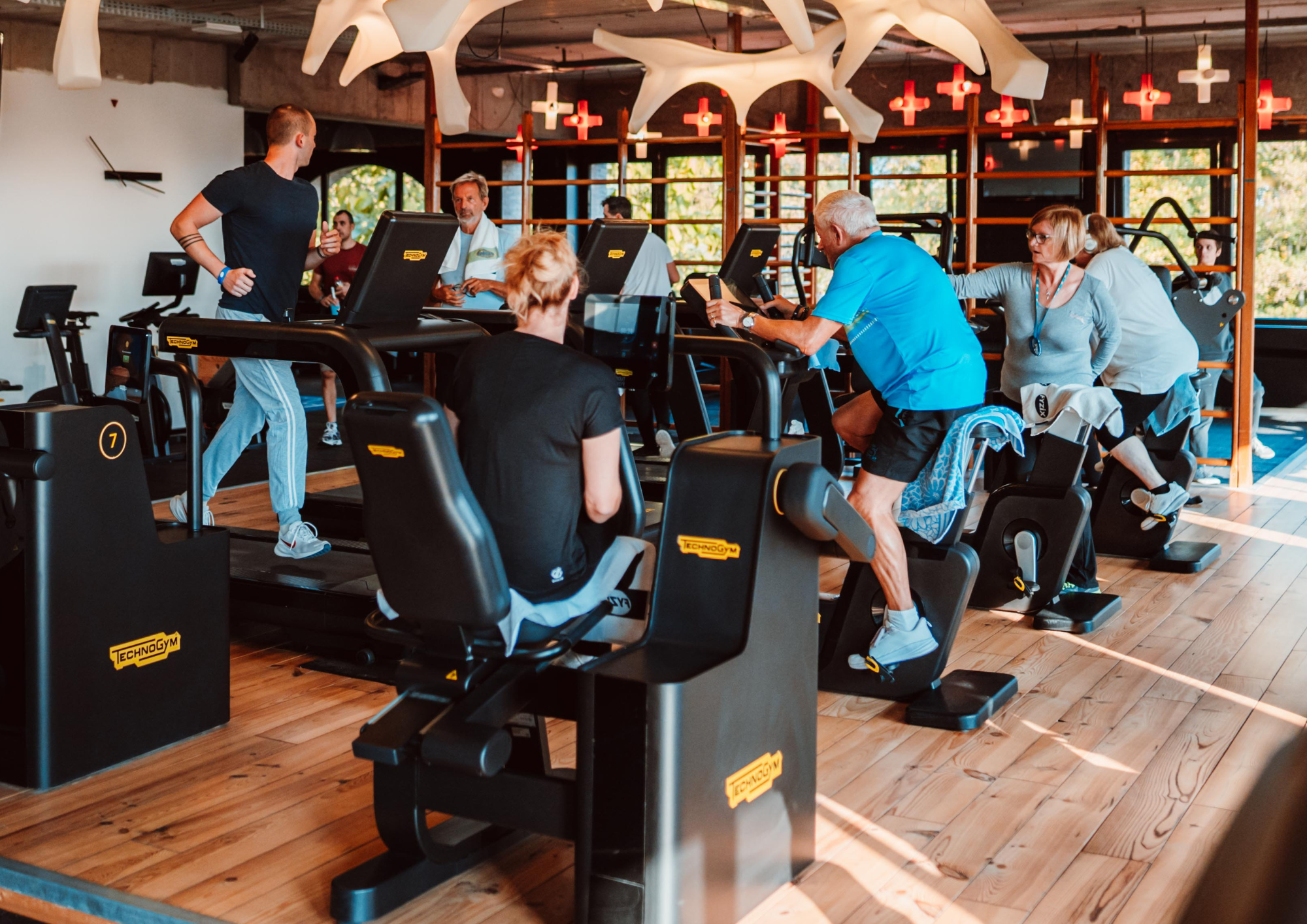
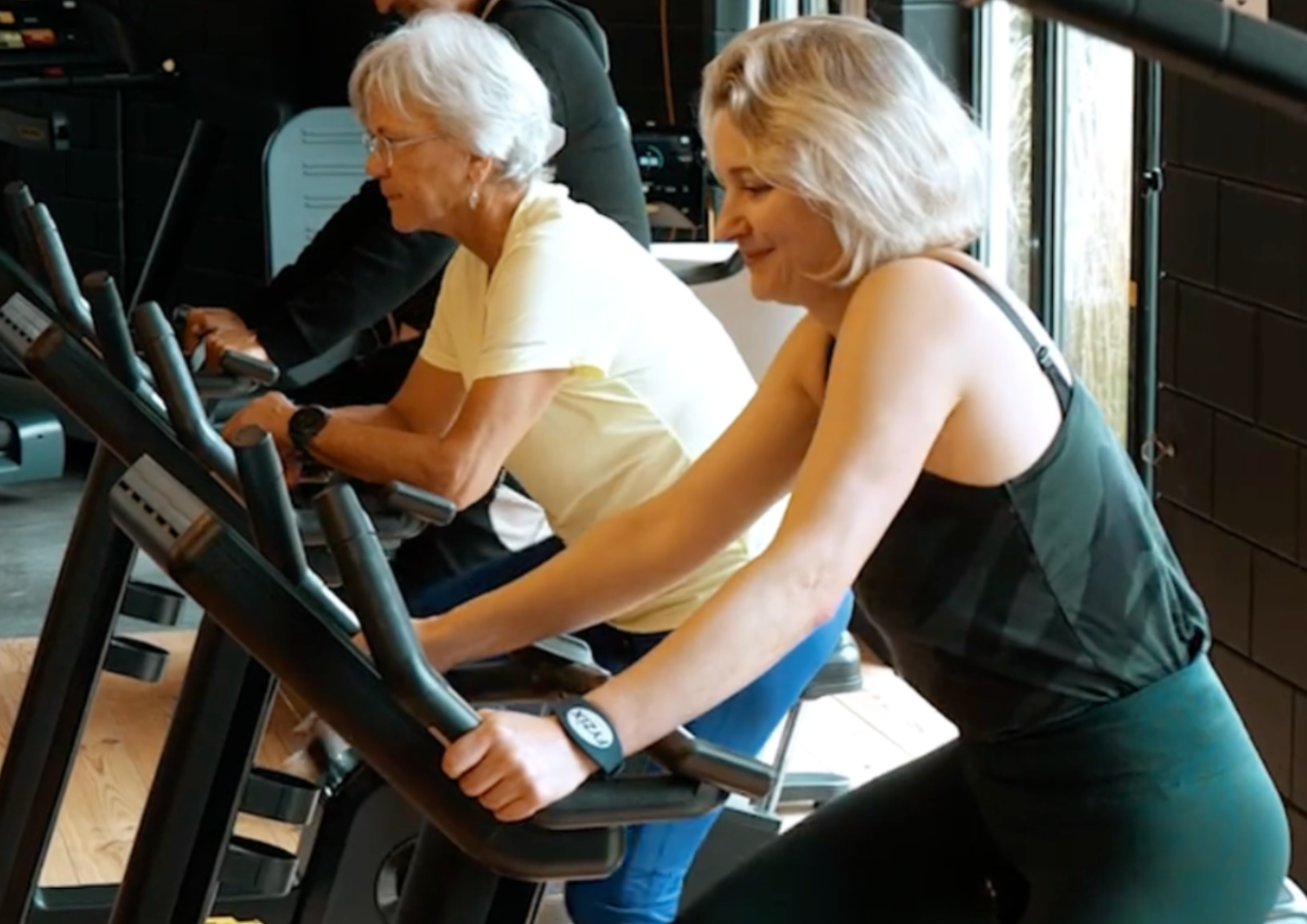
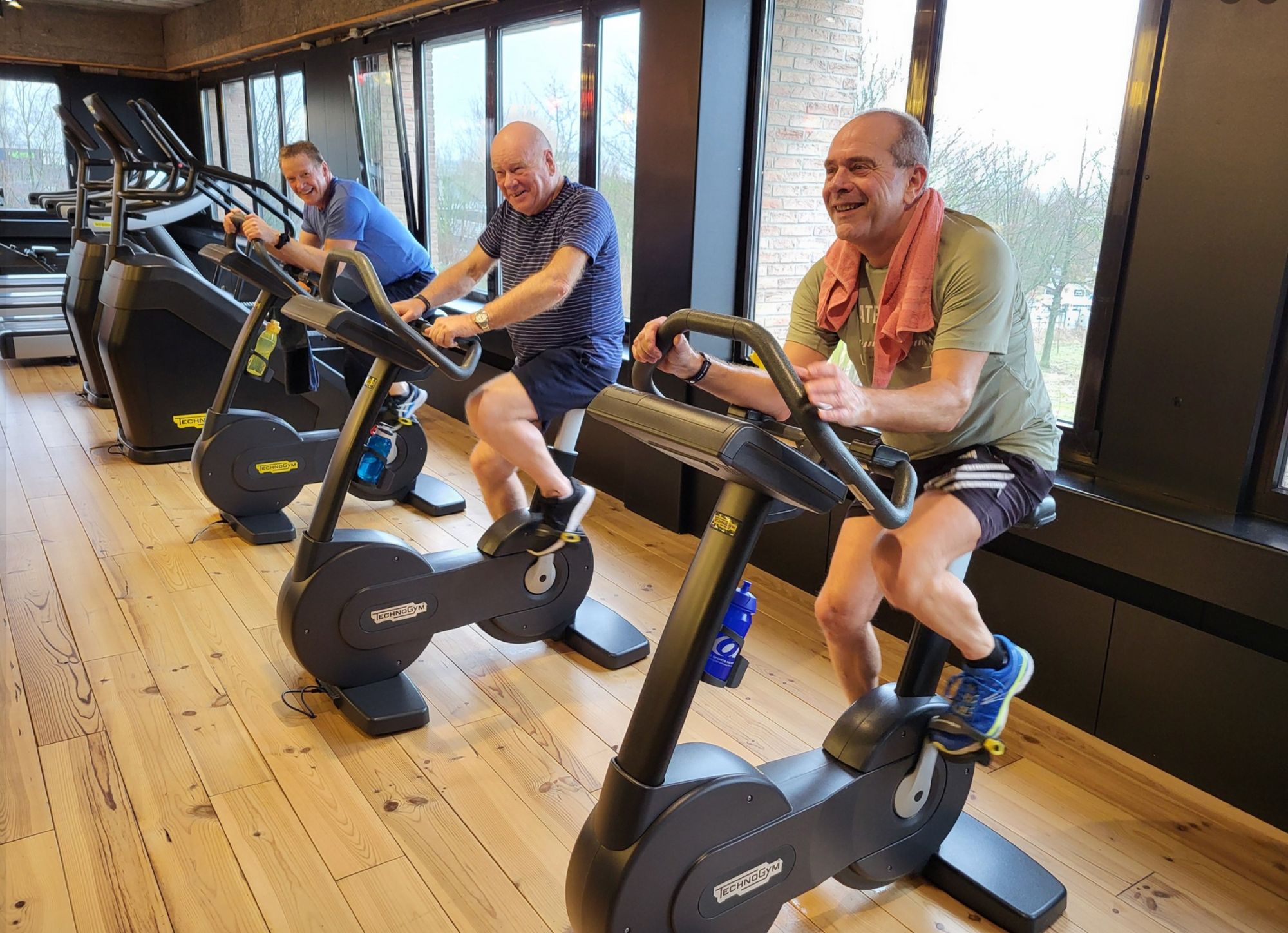
Le REH CONNECT recherche de 5 semaines se déroule dans un club de fitness près de chez vous.
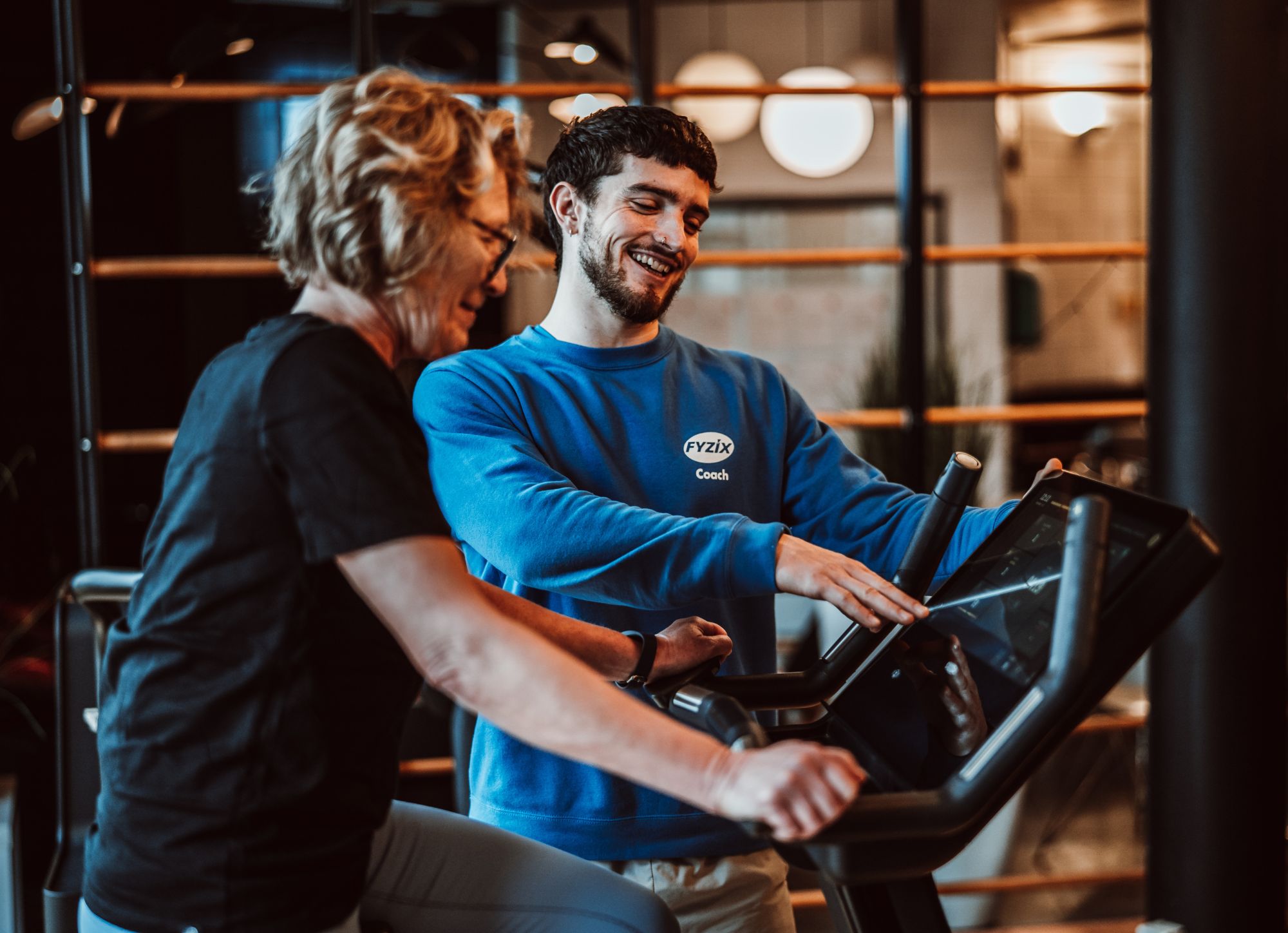
En 5 semaines, les coachs fitness analysent quel programme d’entraînement vous apporte les meilleurs résultats. Ils tiennent compte de vos objectifs personnels, d’éventuelles blessures ou limitations, ainsi que de votre agenda.
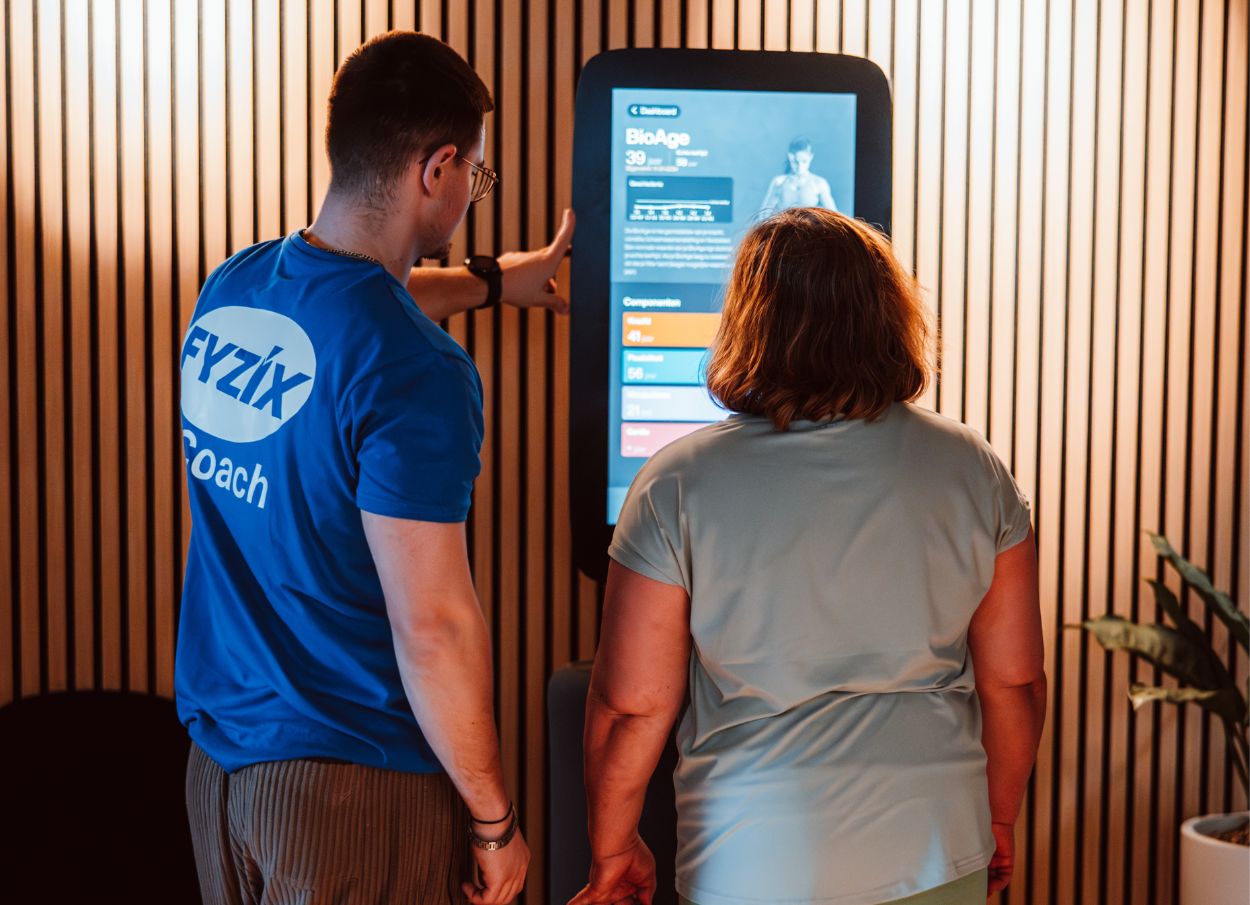
Nous t’aidons à démarrer le sport de la bonne manière
Interventions de 5 semaines
Les coachs analysent comment ton corps réagit aux exercices de fitness. Le programme est adapté étape par étape en fonction de ta progression et de tes points d’attention médicaux. Après 5 semaines, tu reçois une version imprimée de tes résultats ainsi qu’un conseil personnalisé en activité physique.
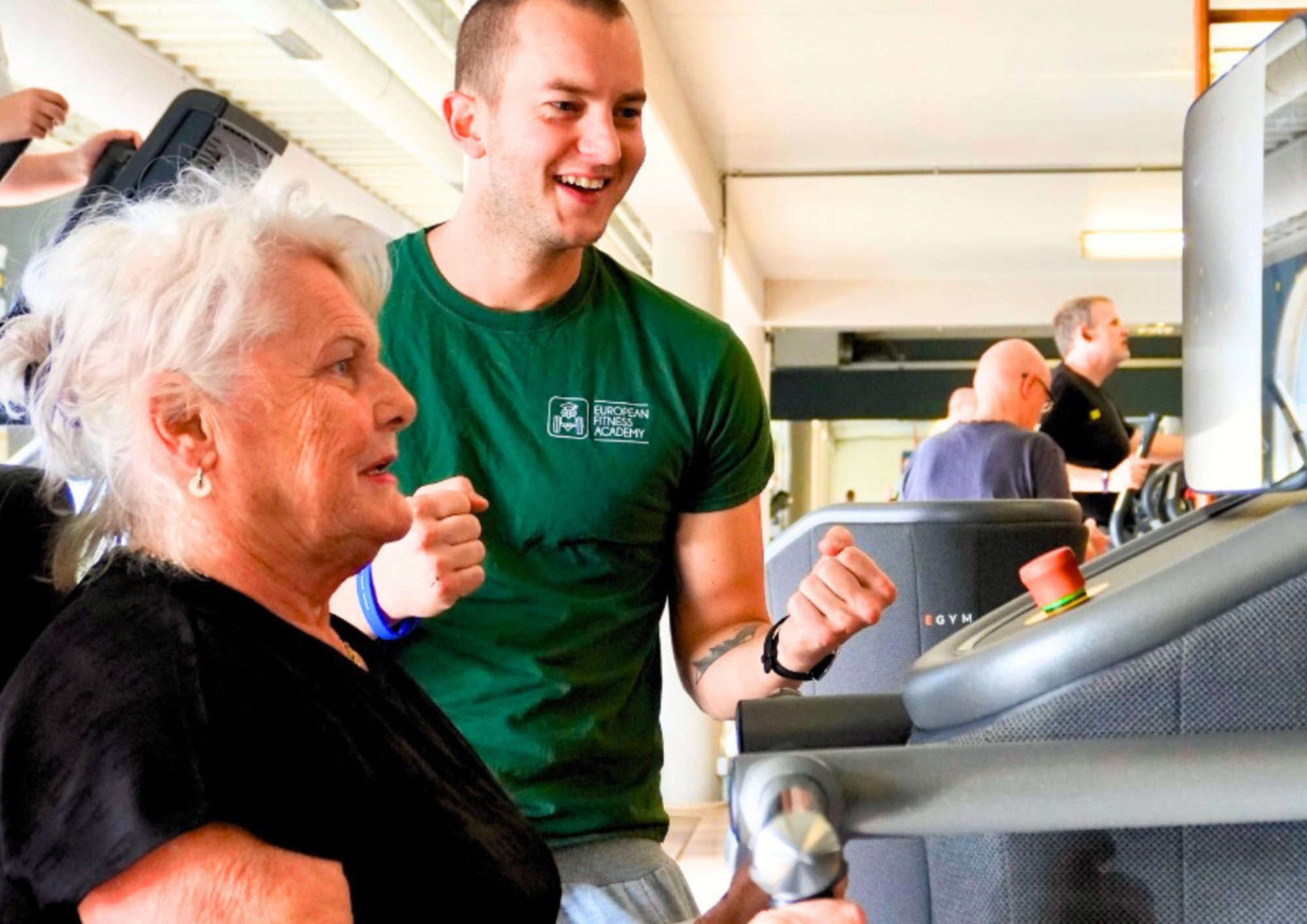
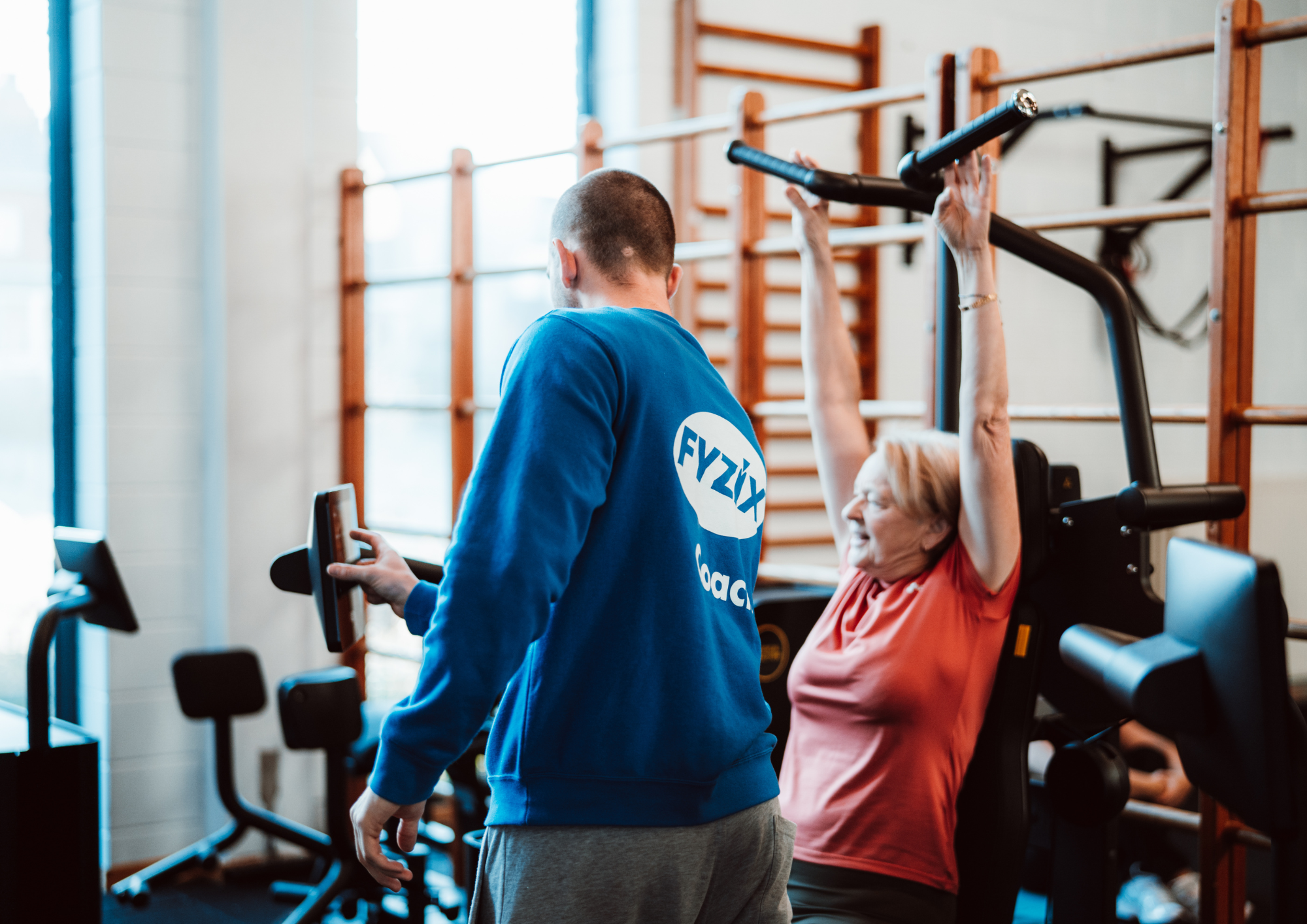
Étude minceur de 5 semaines
Surpoids et obésité
Un excès de graisse est mauvais pour la santé
- Accélération de la combustion des graisses et rééquilibrage de ton énergie, amélioration de ta composition corporelle
Programme minceur de 5 semaines
Soutien à la médication amaigrissante →
Ozempic, Wegovy, Mounjaro, Saxenda
- Maintien ou développement de ta masse musculaire
- Cours théorique sur l’alimentation, le métabolisme et les systèmes énergétiques
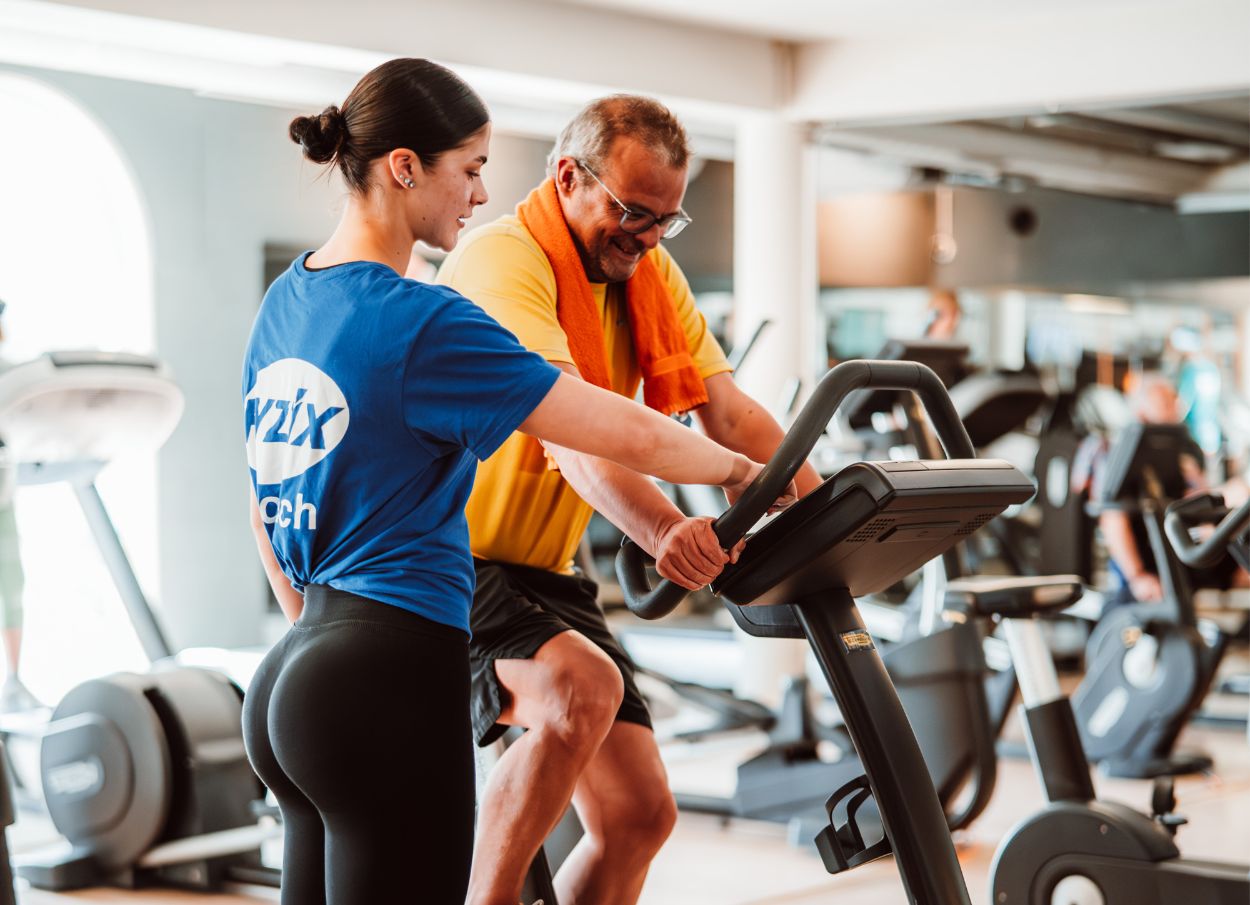
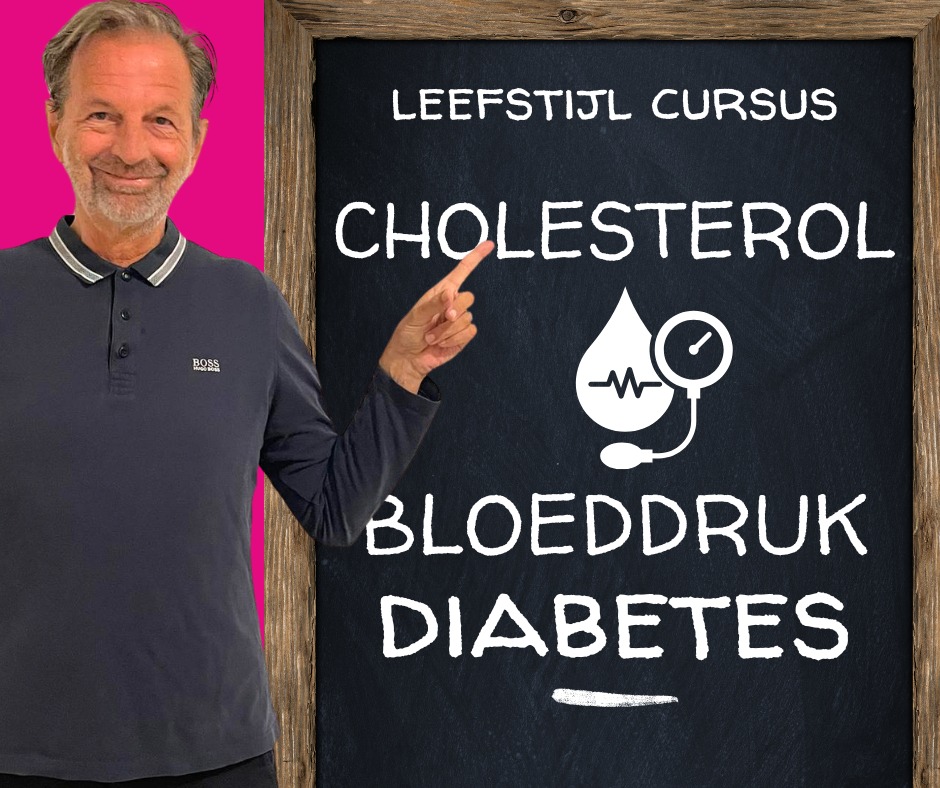
Étude de départ
Troubles métaboliques
À titre d’exemple : hypertension, graisse abdominale, cholestérol, diabète, maladies cardiovasculaires
- Optimisation de ton métabolisme du sucre et des graisses ainsi que de tes systèmes énergétiques
Programme mode de vie 5 semaines
Soutien complémentaire en cas de traitement contre l'hypertension, le cholestérol ou le diabète →
Théorie et pratique pour adopter un mode de vie plus sain
- Bouger davantage : en 5 semaines, nous vous apprenons quel programme de renforcement musculaire et de condition physique est le plus adapté à votre santé
- Mieux manger : notions de base en nutrition et conseils pratiques pour le quotidien
- Cours théorique sur le métabolisme des graisses et des sucres ainsi que sur l'équilibre énergétique
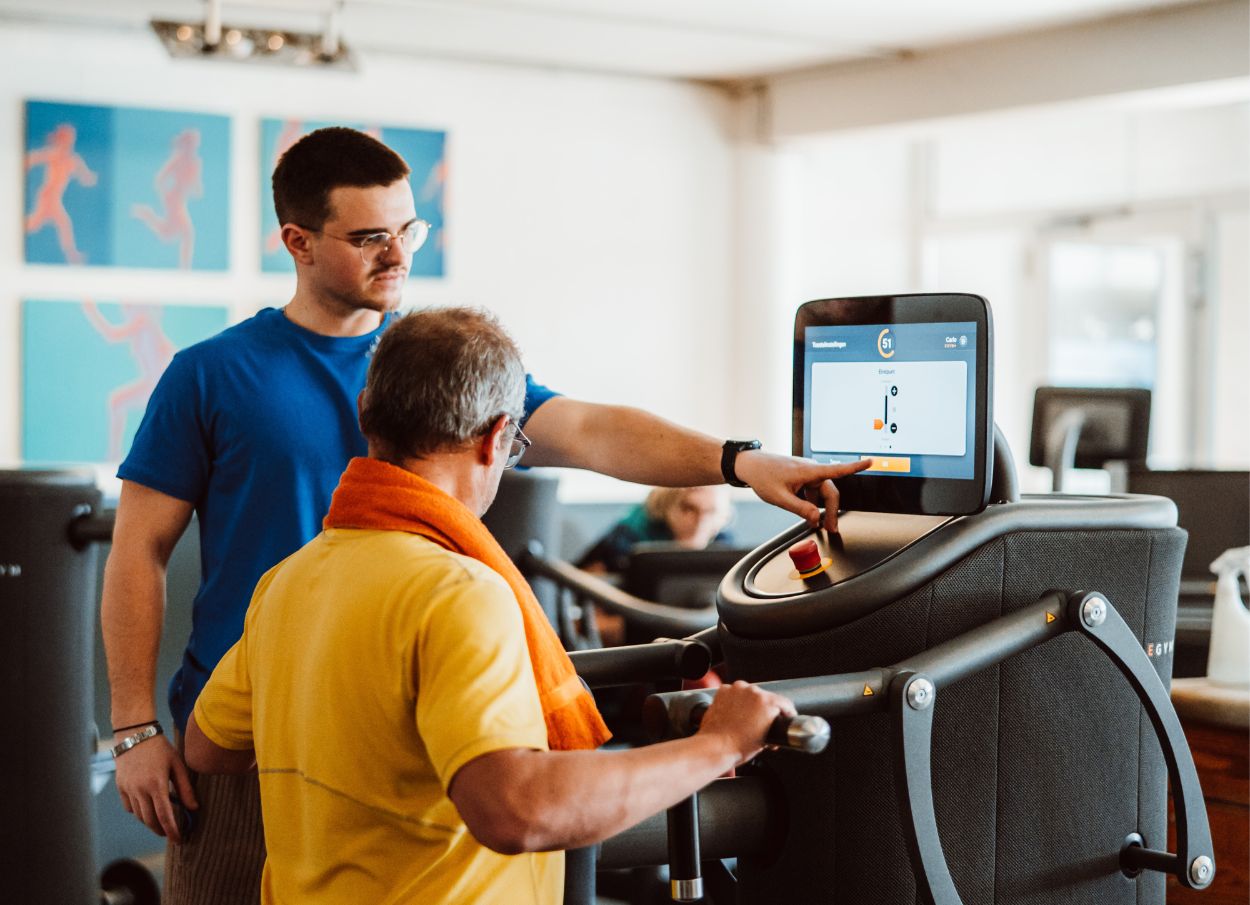
Étude anti-stress
Troubles psychosociaux
À titre d’exemple : crises d’angoisse, insomnie, stress, dépression et burn-out
- Les coachs analysent quel programme de fitness t’offre la meilleure protection contre ces troubles

Étude post-rééducation
Troubles musculosquelettiques
À titre d’exemple : dos, hanche, genou, épaule, ostéoporose, sarcopénie
- Amélioration de la force et de la flexibilité de tes muscles et articulations
L’étude de 5 semaines prouve que tu peux obtenir des résultats
Rapport après 5 semaines
Après 5 semaines, vous recevez un rapport attestant de vos résultats, accompagné d’un avis professionnel en matière d’activité physique. Vous choisissez ensuite la forme de mouvement ou le sport que vous souhaitez poursuivre.

Tu ne dois pas être membre du club de fitness
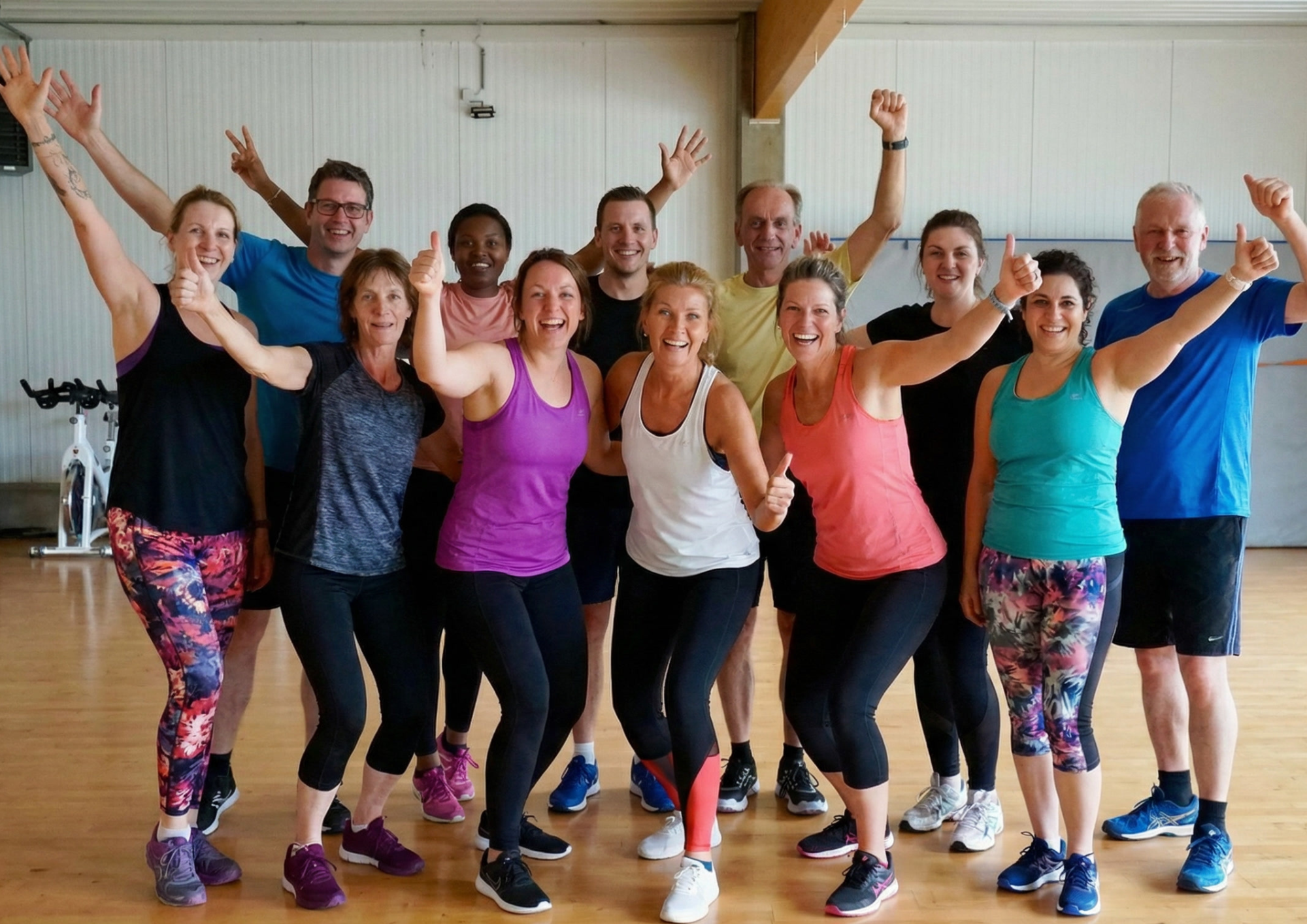
Stronger For Life
Quelle que soit la forme d’activité que vous choisissez, le sport devient une habitude qui vous détend et vous rend heureux. Les endorphines vous procurent une sensation de bien-être. Vous vous sentez chaque jour plus fort et plein d’énergie.
Un mode de vie actif est la base pour rester en bonne santé, fort et en forme
L’étude de 5 semaines t’aide à choisir un sport qui te correspond
L’étude de 5 semaines comme remède éprouvé
Les études de 5 semaines constituent une méthode éprouvée avec des résultats fondés sur des preuves scientifiques.
Plus de 20.000 personnes ont participé à différentes études de 5 semaines menées dans le cadre de campagnes de European Fitness Academy, en collaboration avec la Ligue Cardiologique Belge et la Ligue du Diabète :
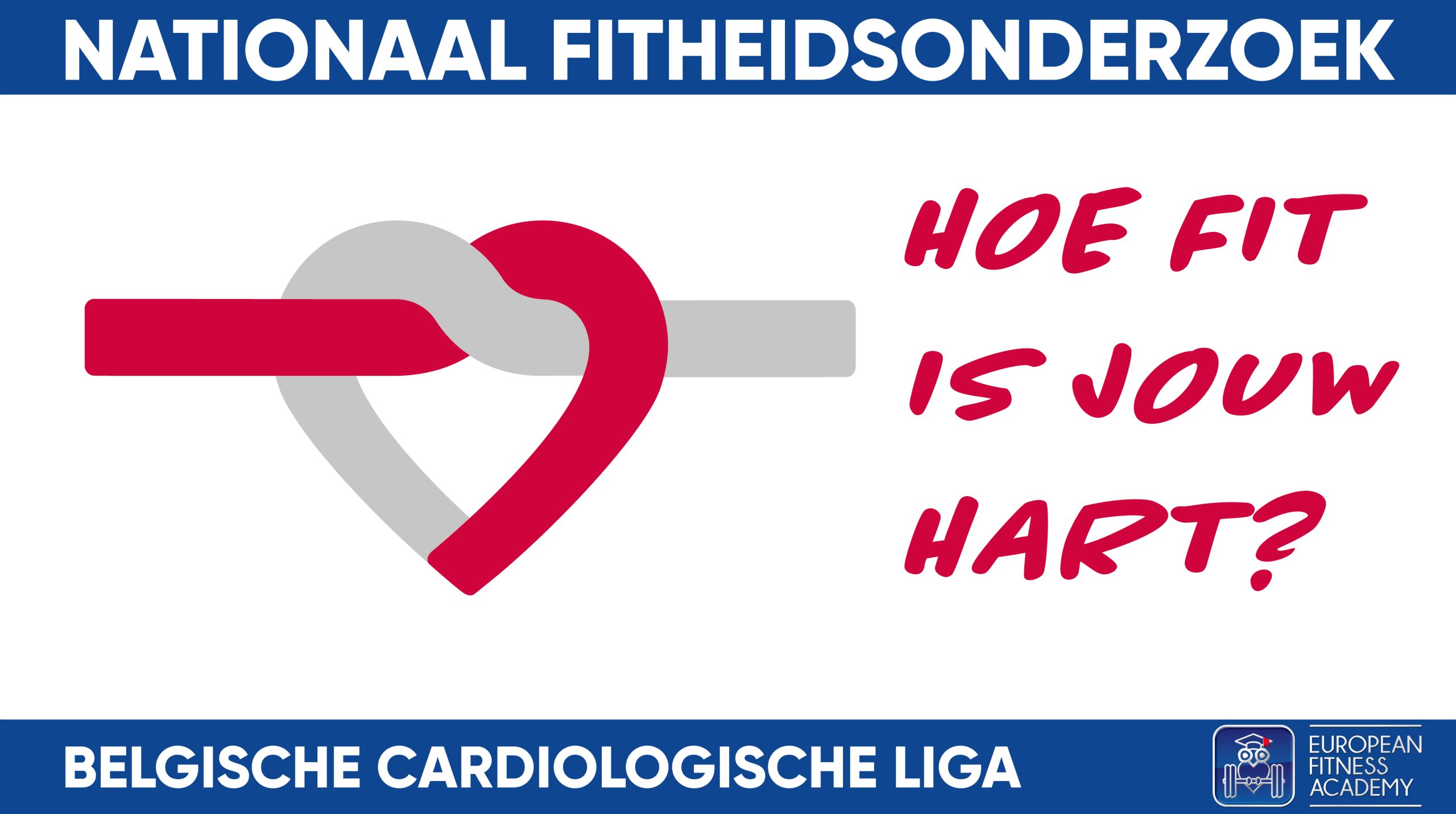
- Étude nationale de départ : '« 'Quelle est la forme de votre cœur ?'' (2019)
- Étude nationale minceur (2020)
- Étude du dos (2020)
- Étude nationale de condition physique : ‘How Fit Is Belgium?’ (2022)
- Étude de départ (2023)
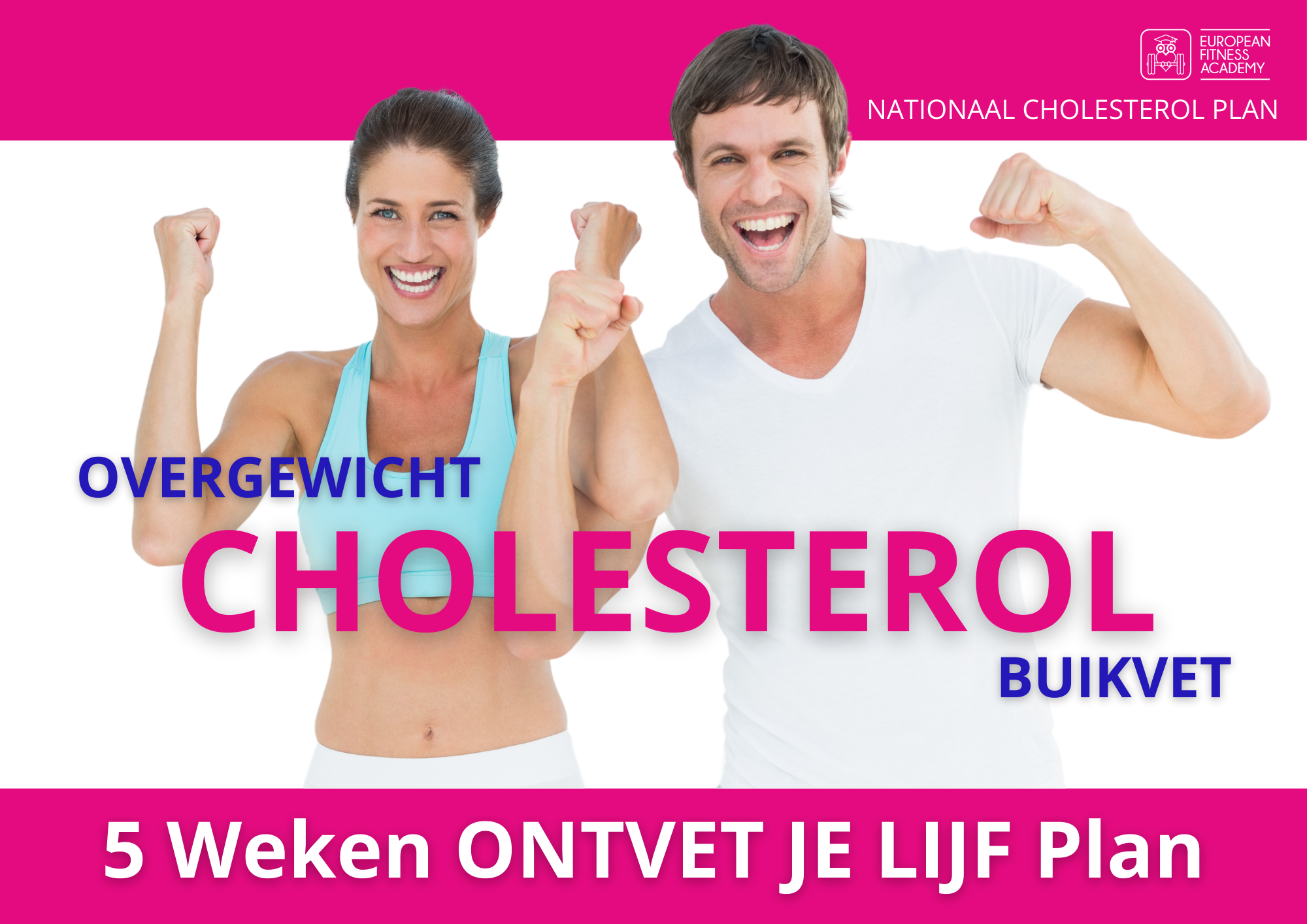
- Plan national cholestérol : 'Dégraissez votre corps !' (2024)
- Étude nationale ANTI-STRESS : 'Rechargez-vous mentalement' (2025)
Méthode éprouvée :
En 5 semaines, nous analysons comment le corps réagit à l’effort et nous mesurons progressivement les progrès.
Nous déterminons quel programme de fitness donne les meilleurs résultats en fonction de l’objectif personnel ou de l’indication médicale.
Après 5 semaines, le participant reçoit un rapport et nous expliquons l’impact des résultats mesurés sur la santé.
Visuels de campagne :

Recherches et publications
Surpoids et obésité
- 1. Donnelly JE, Blair SN, Jakicic JM, Manore MM, Rankin JW, Smith BK. Appropriate Physical Activity Intervention Strategies for Weight Loss and Prevention of Weight Regain for Adults. 2009 https://pubmed.ncbi.nlm.nih.gov/19127177/
- 2. Willis LH, Slentz CA, Bateman LA, Shields AT, Piner LW, Bales CW, Houmard JA, Kraus WE. Effects of Aerobic and/or Resistance Training on Body Mass and Fat Mass in Overweight or Obese Adults. https://pubmed.ncbi.nlm.nih.gov/23019316/
- 3. Ross R, Dagnone D, Jones PJ, Smith H, Paddags A, Hudson R, Janssen I. Reduction in Obesity and Related Comorbid Conditions after Diet-Induced Weight Loss or Exercise-Induced Weight Loss.2000 https://pubmed.ncbi.nlm.nih.gov/10896648/
- 4. Slentz CA, Duscha BD, Johnson JL, Ketchum K, Aiken LB, Samsa GP, Houmard JA, Bales CW, Kraus WE. Effects of the Amount of Exercise on Body Weight, Body Composition and Measures of Central Obesity.2004 https://pubmed.ncbi.nlm.nih.gov/14718319/ (2022)
- 5. Bryner RW, Ullrich IH, Sauers J, Donley D, Hornsby G, Yeater R. Effects of Resistance vs Aerobic Training Combined with Diet on Body Composition. https://pubmed.ncbi.nlm.nih.gov/10204826/
- 6. Irving BA, Davis CK, Brock DW, Weltman JY, Swift D, Barrett EJ, Gaesser GA, Weltman A. Effect of Exercise Intensity on Abdominal Fat. 2008. https://pubmed.ncbi.nlm.nih.gov/18845966/
- 7. Ross R, Janssen I. Physical Activity, Total and Regional Obesity: Dose-Response Considerations. 2001 https://pubmed.ncbi.nlm.nih.gov/11427779/
- 8. Strasser B, Schobersberger W. Evidence for Resistance Training as a Treatment Therapy in Obesity 2011 https://www.ncbi.nlm.nih.gov/pmc/articles/PMC2931407/
- 9. Swift DL, Johannsen NM, Lavie CJ, Earnest CP, Church TS. The Role of Exercise and Physical Activity in Weight Loss and Maintenance.2014. https://pubmed.ncbi.nlm.nih.gov/24438736/
- 10. Lopez P, Garcia-Hermoso A, Gonzalez-Gross M, et al. Resistance Training Effectiveness on Body Composition and Body Weight Outcomes in Individuals with Overweight and Obesity Across the Lifespan: A Systematic Review and Meta-Analysis. 2022; https://www.ncbi.nlm.nih.gov/pmc/articles/PMC9285060/
- 11. Hunter GR, Byrne NM, Sirikul B, Fernandez JR, Zuckerman PA, Darnell BE, Gower BA. Resistance Training Conserves Fat-Free Mass and Resting Energy Expenditure Following Weight Loss 2008 https://pubmed.ncbi.nlm.nih.gov/18356845/
- 12. Chomentowski P, Dube JJ, Amati F, Stefanovic-Racic M, Toledo FGS, Goodpaster BH. Moderate Exercise Attenuates the Loss of Skeletal Muscle Mass During Diet-Induced Weight Loss in Older Adults. 2009 https://pubmed.ncbi.nlm.nih.gov/19276190/
- 13. Jakicic JM, Marcus BH, Lang W, Janney CA. Effect of Exercise on 24-Month Weight Loss Maintenance in Overweight Women.2008 https://jamanetwork.com/journals/jamainternalmedicine/fullarticle/414385
- 14. Wing RR, Phelan S. Long-Term Weight Loss Maintenance. Am J Clin Nutr. 2005 https://pubmed.ncbi.nlm.nih.gov/16002825/
- 15. Westcott WL. Resistance Training is Medicine: Effects of Strength Training on Health. 2012 https://pubmed.ncbi.nlm.nih.gov/22777332/
Soutien à la médication amaigrissante
- 16. Sam West et al Weight regain after cessation of medication for weight management: systematic review and meta-analysis BMJ 2026: https://doi.org/10.1136/bmj-2025-085304
- 17. Bikou A, Dermiki-Gkana F, Penteris M, Constantinides TK, Kontogiorgis C. A systematic review of the effect of semaglutide on lean mass: insights from clinical trials. Expert Opin Pharmacother. 2024;25(5):611-619. doi:10.1080/14656566.2024.2343092 https://pubmed.ncbi.nlm.nih.gov/38629387/
- 18.Alissou M, Demangeat T, Folope V, et al. Impact of semaglutide on fat mass, lean mass and muscle function in patients with obesity: The SEMALEAN study. Diabetes Obes Metab. 2026;28(1):112-121. doi:10.1111/dom.70141 https://dom-pubs.onlinelibrary.wiley.com/doi/10.1111/dom.70141
- 19.Sattar N, Neeland IJ, Dahlqvist Leinhard O, et al. Tirzepatide and muscle composition changes in people with type 2 diabetes (SURPASS-3 MRI): a post-hoc analysis of a randomised, open-label, parallel-group, phase 3 trial. Lancet Diabetes Endocrinol. 2025;13(6):482-493. doi:10.1016/S2213-8587(25)00027-0 https://pubmed.ncbi.nlm.nih.gov/40318682/
- 20.Mozaffarian D, Agarwal M, Aggarwal M, et al. Nutritional priorities to support GLP-1 therapy for obesity: a joint Advisory from the American College of Lifestyle Medicine, the American Society for Nutrition, the Obesity Medicine Association, and The Obesity Society. Obesity. 2025;33(8):1475-1503. doi:10.1002/oby.24336 https://pubmed.ncbi.nlm.nih.gov/40452753/
Troubles métaboliques, tension artérielle, cholestérol, graisse abdominale, diabète, cœur et vaisseaux
- 21. Liu J, Gallardo RC, Laferrère B. Effects of aerobic, resistance, and combined exercise on metabolic syndrome parameters and cardiovascular risk factors: a systematic review and network meta analysis. 2021 https://pubmed.ncbi.nlm.nih.gov/34957791/
- 22. Cornelissen VA, Smart NA. Exercise training for blood pressure: a systematic review and meta analysis. https://pubmed.ncbi.nlm.nih.gov/23525435/
- 23. Han C, Xue H, Yang S, Gao B. Resistance exercise training and its impact on metabolic syndrome in type 2 diabetes: a systematic review and meta analysis of randomized controlled trials. 2025 https://pubmed.ncbi.nlm.nih.gov/40064302/
- 24. Kelley GA, Kelley KS. Effects of aerobic exercise on lipids and lipoproteins in adults: a meta analysis of randomized controlled trials. 2008: https://pubmed.ncbi.nlm.nih.gov/17544042/
- 25. Umpierre D, Ribeiro PAB, Kramer CK, et al. Physical activity advice only or structured exercise training and association with HbA1c levels in type 2 diabetes: a systematic review and meta analysis. 2011 https://pubmed.ncbi.nlm.nih.gov/21540423/
- 26. Sigal RJ, Kenny GP, Wasserman DH, et al. Effects of aerobic training, resistance training, or both on glycemic control in type 2 diabetes: a randomized trial. 2007 https://pubmed.ncbi.nlm.nih.gov/17876019/
- 27. Church TS, Blair SN, Cocreham S, et al. Effects of aerobic and resistance training on hemoglobin A1c levels in patients with type 2 diabetes: a randomized controlled trial. 2010 https://jamanetwork.com/journals/jama/fullarticle/186960
- 28. Colberg SR, Sigal RJ, Fernhall B, et al. Exercise and type 2 diabetes: American College of Sports Medicine and the American Diabetes Association joint position statement. 2010: https://pubmed.ncbi.nlm.nih.gov/21115758/
- 29. Cornelissen VA, Fagard RH. Effects of endurance training on blood pressure, blood pressure regulating mechanisms, and cardiovascular risk factors. 2005; https://pubmed.ncbi.nlm.nih.gov/16157788/
- 30. Strasser B, Arvandi M, Siebert U. Resistance training, visceral obesity and inflammatory response: A review 2012 https://pubmed.ncbi.nlm.nih.gov/22385646/
- 31. Cornier MA, Després J P, Davis N, et al. Assessing adiposity: a scientific statement from the American Heart Association. 2011: https://pubmed.ncbi.nlm.nih.gov/21947291/
- 32. Pepera G, Nassis GP. Effects of exercise on cardiovascular risk factors and diabetes: a narrative review. 2020 https://pmc.ncbi.nlm.nih.gov/articles/PMC3114506/
- 33. Pedersen BK, Saltin B. Exercise as medicine – evidence for prescribing exercise as therapy in 26 different chronic diseases 2015 https://pubmed.ncbi.nlm.nih.gov/26606383/
- 34. Alberti KGMM, Eckel RH, Grundy SM, et al. Harmonizing the metabolic syndrome: a joint interim statement of international organizations. 2009 https://pubmed.ncbi.nlm.nih.gov/19805654/
Troubles psychosociaux : anxiété, insomnie, stress, dépression, burn-out
- 35. Banyard H, Edward K L, Garvey L, Stephenson J, Azevedo L, Benson AC. The Effects of Aerobic and Resistance Exercise on Depression and Anxiety: Systematic Review With Meta Analysis. 2025 https://pubmed.ncbi.nlm.nih.gov/40432290/
- 36. Pantaleão Ferreira D, Passos GS, Youngstedt SD, Santana MG. Effects of exercise on anxiety and depression in patients with insomnia: a systematic review and meta analysis. https://pubmed.ncbi.nlm.nih.gov/41519366/
- 37. Gordon BR, McDowell CP, Lyons M, Herring MP. The Effects of Resistance Exercise Training on Anxiety: A Meta Analysis and Meta Regression Analysis of Randomized Controlled Trials. 2017 https://pubmed.ncbi.nlm.nih.gov/28819746/
- 38. LeBouthillier DM, Asmundson GJG. The efficacy of aerobic exercise and resistance training as transdiagnostic interventions for anxiety related disorders and constructs: A randomized controlled trial. 2017: https://pubmed.ncbi.nlm.nih.gov/29049901/
- 39. Marinelli R, Parker AG, Levinger I, Bourke M, Patten R, Woessner MN. Resistance training and combined resistance and aerobic training as a treatment of depression and anxiety symptoms in young people: A systematic review and meta analysis. 2024; https://pubmed.ncbi.nlm.nih.gov/38710640/
- 40. Sun G, Ding X, Ma H, Zheng Z. Impact of exercise intervention on depression, anxiety, sleep and quality of life in patients with cognitive impairment: a systematic review and network meta analysis.2025: https://pubmed.ncbi.nlm.nih.gov/41334084/
- 41. Systematic review on physical exercise interventions in patients with burnout syndrome. https://doi.org/10.6018/sportk.454181
- 42. Luo L, Song Y, Yang H, Huang R, Zhou Z, Zhang Y. Intervention Effect of Long Term Aerobic Training on Anxiety, Depression, and Sleep Quality of Middle School Students With Depression After COVID 19. 2021 https://pubmed.ncbi.nlm.nih.gov/34733186/
- 43. Effect of Physical Exercise on Sleep Quality and Depressive Symptoms in Adults: A Systematic Review andMeta Analysis.2025: https://pubmed.ncbi.nlm.nih.gov/40964219/
- 44. Effect of exercise interventions on depression, anxiety, and self esteem in children and adolescents: a systematic review and network meta analysis. 2025 https://link.springer.com/article/10.1186/s12889-025-25044-6
- 45. Impact of combiner aerobic and resistance training on depression: a systematic review and meta analysis of randomized controlled trials. BMC 2025 https://link.springer.com/article/10.1186/s13102-025-01058-w
- 46. The effects of aerobic, resistance, and meditative movement exercise on sleep in individuals with depression: protocol for a systematic review and network meta analysis.2019 https://systematicreviewsjournal.biomedcentral.com/articles/10.1186/s13643-019-1018-4
- 47. Szuhany KL, Bugatti M, Otto MW. A meta analytic review of the effects of exercise on brain derived neurotrophic factor. https://pubmed.ncbi.nlm.nih.gov/25455510/
- 48. Huang T, Larsen KT, Ried Larsen M, Møller NC, Andersen LB. The effects of physical activity and exercise on brain derived neurotrophic factor in healthy humans: https://pubmed.ncbi.nlm.nih.gov/23600729/
- 49. Dinoff A, Herrmann N, Swardfager W, et al. The effect of acute exercise on blood levels of brain derived neurotrophic factor in healthy adults: A meta analysis. https://pubmed.ncbi.nlm.nih.gov/28493624/
- 50. Donyaei A, Kiani E, Bahrololoum H, Moser O. Effect of combined aerobic resistance training and detraining on BDNF and depression in women with type 2 diabetes mellitus: A randomized controlled trial. 2024: https://pubmed.ncbi.nlm.nih.gov/37470787/
- 51. Barbosa F, Machado S, Oliveira É, et al. Peripheral BDNF response to acute and chronic exercise in older adults: A meta analysis. 2019 https://pubmed.ncbi.nlm.nih.gov/31270754/
- 52. Mielniczek M, Aune TK. The effect of high intensity interval training (HIIT) on BDNF levels: a systematic review. https://www.mdpi.com/2076-3425/15/1/34
Troubles musculosquelettiques, douleurs dorsales, nuque, hanche, ostéoporose, sarcopénie
- 53. Lu L, Mao L, Feng Y, Ainsworth BE, Liu Y, Chen N. Effects of different exercise training modes on muscle strength and physical performance in older people with sarcopenia: a systematic review and meta analysis. https://pubmed.ncbi.nlm.nih.gov/34911483/
- 54. Hao X, Hu H, Chen J, et al. The effects of combined aerobic and resistance exercise on older adults with sarcopenia: a meta analysis. https://doi.org/10.1186/s12891-026-09647-7
- 55. Hsu H H, Chiu C Y, Chen W C, Yang Y R, Wang R Y. Effects of exercise on bone density and physical performance in postmenopausal women: a systematic review and meta analysis. 2024 https://pubmed.ncbi.nlm.nih.gov/39032163/
- 56. Ciftci Inceoglu S, et al. The Impact of Combination of Aerobic and Resistive Exercise on Activities of Daily Living and Risk of Fall in Osteosarcopenic Patients. 2024 https://pubmed.ncbi.nlm.nih.gov/38808053/
- 57. Karagiannopoulou V, Meirezonne H, De Greef I, Van Oosterwijck J, Matheve T, Willems TM. The effects of exercise therapy on lumbar muscle structure in low back pain: systematic review and meta analysis.2025: https://pubmed.ncbi.nlm.nih.gov/40311262/
- 58. Frontiers editorial team. Effects of different exercise interventions on lower back pain: a systematic review and meta analysis. https://www.frontiersin.org/articles/10.3389/fphys.2025.1694330/full
- 59. Carcelén Fraile MC, Lorenzo Nocino MF, Afanador Restrepo DF, et al. Effects of different intervention combined with resistance training on musculoskeletal health in older male adults with sarcopenia: a systematic review 2023; https://pubmed.ncbi.nlm.nih.gov/PMC9853907/
- 60. Chang V, Neves FS, Silva RC, et al. Resistance training interventions in secondary sarcopenia: systematic review and meta analysis. https://pmc.ncbi.nlm.nih.gov/articles/PMC10851873/
- 61. Ruchat SM, Beamish N, Pellerin S, et al. Impact of exercise on musculoskeletal pain and disability in the postpartum period: systematic review and meta analysis 2025; https://pubmed.ncbi.nlm.nih.gov/39922568/
- 62. Non Pharmacological Interventions in Osteosarcopenia: a systematic review. J Clin Exerc Physiol. Evidence that RT increases lumbar spine BMD and maintains hip BMD in osteosarcopenic adults. https://www.sciencedirect.com/science/article/pii/S1279770723003585
Nos centres agréés Health & Fitness
European Fitness Academy est une alliance de centres de fitness indépendants et collabore avec des centres de fitness répondant aux critères les plus stricts en matière d’accompagnement médicalement responsable et d’équipements.
Les clubs REH CONNECT ont suivi les formations requises et sont homologués et agréés chaque année par European Fitness Academy afin de proposer le programme REH CONNECT de 5 semaines.
FYZIX BRUSSEL
(Gare Maritime, Tour&Taxis)



FYZIX TERVUREN
(En face du complexe sportif Diependal)
FYZIX VILVOORDE
(Ring sortie 6, après Medialaan)
FYZIX ZAVENTEM
(Sortie Henneaulaan,
rue latérale Belgicalaan)
Nos centres agréés Health & Fitness
European Fitness Academy est une alliance de centres de fitness indépendants et collabore avec des centres de fitness répondant aux critères les plus stricts en matière d’accompagnement médicalement responsable et d’équipements.
Les clubs REH CONNECT ont suivi les formations requises et sont homologués et agréés chaque année par European Fitness Academy afin de proposer le programme REH CONNECT de 5 semaines.
FYZIX
BRUSSEL
(Gare Maritime, Tour&Taxis)


FYZIX
VILVOORDE
(Ring sortie 6, après Medialaan)
FYZIX
ZAVENTEM
(Sortie Avenue Henneau)

© REH CONNECT | REH CONNECT est une marque déposée | Disclaimer & Privacy | Conditions de participation